Free E-Waste Disposal in NSW: E-Waste Recycling and Appliance Disposa
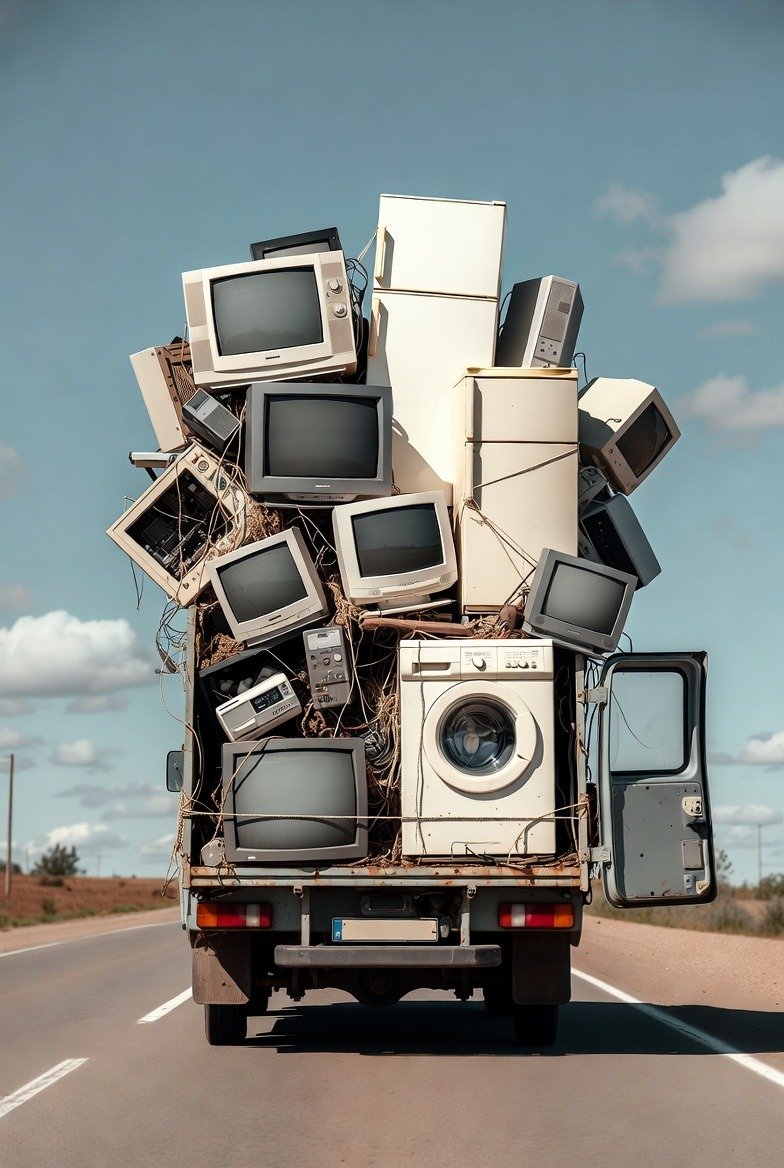
Most of us have a “drawer of doom”—a cluttered space in the home where old smartphones, tangled chargers, and obsolete adapters accumulate. While it might seem harmless, these forgotten devices contribute to one of the fastest-growing environmental threats: electronic waste, or e-waste. In New South Wales (NSW), Australia, over 500,000 tonnes of e-waste are generated annually. Much of this stays hidden in cupboards or is disposed of incorrectly, leaking toxic substances into the environment. The good news? Your “junk” is actually a resource-rich urban gold mine—and NSW offers multiple safe e-waste recycling and appliance disposal options at no cost.
Why E-Waste Matters in NSW
Australians are among the world’s heaviest e-waste producers. On average, each person generates roughly 20kg of e-waste per year, nearly three times the global average. This surge is driven by the constant replacement of electronics and gadgets. When these items are thrown into the wrong waste stream, they don’t just occupy space—they introduce hazardous materials such as lead, mercury, cadmium, arsenic, and lithium-ion batteries into our ecosystems.
“A free drop-off option gives the community an accessible and environmentally responsible way to deal with electronic clutter… it keeps toxic materials out of landfill.” — Sydney E-Waste Disposal Guide
Understanding what qualifies as e-waste is the first step in responsible disposal. Any device with a plug, cord, or battery should go into an e-waste recycling program rather than your general recycling bin.
Common E-Waste Items You Might Overlook
Many Australians think only computers and TVs count as e-waste, but the range is far broader:
- Media and Storage – CDs, DVDs, floppy disks (without cases), and VHS tapes.
- Gaming Gear – Consoles, joysticks, gamepads, electronic games.
- Kitchen & Home Appliances – Microwaves, vacuum cleaners, set-top boxes, electric fans.
- Tools – Cordless drills, power tools, and charging docks.
- Peripherals – Keyboards, mice, webcams, modems, cables, and adapters.
Every item you properly dispose of keeps valuable materials like gold, copper, and palladium in circulation, reducing the need for environmentally damaging mining operations. By participating, you also help sustain jobs in the e-waste recycling industry and support a circular economy.
For extra guidance, you can also rely on RubbishGo’s local team to ensure proper collection, handling, and secure disposal of all your old electronics.
Free Drop-Off Options Across NSW
NSW offers a variety of convenient programs to responsibly recycle e-waste at no cost:
- Council-Run Household Chemical and E-Waste Events – Held bi-annually, these events accept a wide range of electronics and hazardous household chemicals.
- Community Recycling Centres (CRCs) – Open most weekends, CRCs accept common household problem waste and e-waste. No proof of residence is required.
- Retailer Take-Back Programs – National chains like Officeworks and JB Hi-Fi accept smaller electronics under the National Television and Computer Recycling Scheme.
These low-barrier programs are designed for household quantities, typically capped at 20kg or 20L per visit, ensuring safe and manageable processing.
Accepted Items at NSW Drop-Off Locations
| Item Category | Household Chemical & E-Waste Events | Community Recycling Centres |
| Small fire extinguishers | ✓ | ✓ |
| Fluorescent tubes & globes | ✓ | ✓ |
| Car & household batteries | ✓ | ✓ |
| Motor oil fluids | ✓ | ✓ |
| Smoke detectors | ✓ | ✓ |
| Gas bottles | ✓ | ✓ |
| Water-based paint | ✓ | ✓ |
| Oil-based paint | ✓ | ✓ |
| Solvents & household cleaners | ✓ | |
| Pesticides & herbicides | ✓ | |
| Pool chemicals | ✓ | |
| Hobby chemicals | ✓ | |
| Acids & alkalis | ✓ | |
| Electric heaters & oil heaters | ✓ | ✓ |
| TVs & monitors (analogue, plasma, LCD) | ✓ | ✓ |
| DVD players & sound equipment | ✓ | ✓ |
| CDs, DVDs, floppy disks (not in cases) | ✓ | |
| VHS tapes | ✓ | |
| Computers & accessories | ✓ | ✓ |
| Printers, scanners, copiers, fax machines | ✓ | ✓ |
| Telephones, mobile & landline | ✓ | ✓ |
| Power tools & cordless drills | ✓ | ✓ |
| Entertainment appliances | ✓ | ✓ |
| Cameras & recorders | ✓ | ✓ |
| Electronic games (consoles, joysticks) | ✓ | ✓ |
NSW councils recommend deleting personal data before dropping off devices to protect privacy.
Protect Your Privacy: Data Destruction Tips
Even when disposing of your tech, consider the digital ghost inside it. Simply deleting files or performing a standard factory reset is often insufficient. For sensitive personal or financial information, follow these best practices:
- Secure Data Wipe – Use software or services that overwrite data multiple times.
- Remove Batteries – Lithium batteries must be handled separately due to fire hazards.
- Bundle Small Items – Keep cables and small accessories together to avoid loss.
- Certified Destruction – For hard drives or biometric devices, consider professional shredding or degaussing.
Taking these precautions ensures your data stays private while your devices are recycled responsibly.
Pro Tips for Drop-Off Day
- Check the weather – Avoid rainy days to protect staff and electronics.
- Sort your items – Separate electronics from chemicals and batteries.
- Plan in advance – Confirm accepted items and opening hours of your chosen CRC or event.
- Keep quantities within limits – Stick to 20kg or 20L per household visit.
The Environmental Impact of Responsible Disposal
By recycling and repurposing electronics through free drop-off programs, you:
- Prevent toxic substances from contaminating soil and water.
- Recover precious metals for new products, reducing mining demand.
- Support the circular economy and specialized recycling jobs.
- Contribute to a cleaner, safer NSW for future generations.
Even small acts, like clearing a “drawer of doom,” have tangible benefits for the planet.
Conclusion: Your Tech Can Be a Treasure
Old electronics are not junk—they are a resource-rich gold mine waiting to be responsibly recycled. With NSW’s free disposal network and simple precautions, you can protect the environment, preserve your privacy, and participate in the circular economy.
Take action today: check your cupboards, gather your e-waste, and visit your local Community Recycling Centre or bi-annual council event. Small steps can have a large impact. Remember, responsible disposal is not just a habit—it’s a contribution to a sustainable future.