Versatile Wood Solutions: A Guide to MDF and Particle Board Applications for Trade and DIY
Engineered wood products have become the backbone of modern fit-outs, cabinetry, shopfitting and DIY projects. Instead of wrestling with solid timber, many tradies and home renovators are choosing MDF and particle boards for their consistency, cost-effectiveness and ease of fabrication.
The trick is knowing which board to use where – and what to look for when you’re buying materials for a specific job. Choose well and you get cleaner edges, faster installs and finishes that last. Choose poorly and you can end up with swelling, sagging or extra time on site.
This guide walks through how MDF and particle boards differ, where they each shine, and how to match the right board to your next project.
Understanding MDF: Smooth, Stable and Ideal for Finishes
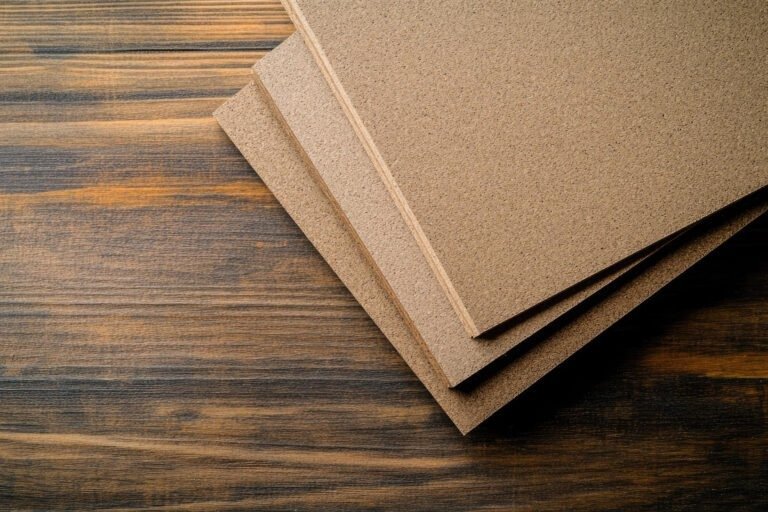
Medium Density Fibreboard (MDF) is made by breaking timber down into fine fibres, then binding them together with resin under pressure. The result is a dense, uniform panel with no grain direction, knots or voids, which makes it highly predictable to work with.
For trades and DIYers in Melbourne, one of the biggest advantages is the availability of cut to size mdf board melbourne. Instead of ripping full sheets on site, you can order panels to your measurements, saving time, dust and waste.
MDF is especially useful where a smooth, paint-ready surface is required:
- Cabinet doors and drawer fronts
- Wall panelling and feature batten walls
- Shelving and built-in units
- Decorative profiles, trims and routed details
Because it machines cleanly, MDF is ideal for routed designs, shaker profiles and curved edges that would be tedious to achieve with natural timber.
Practical Considerations When Working with MDF
While MDF is versatile, it has a few characteristics to keep in mind:
- It’s heavier than many other sheet products, so plan for handling and support.
- Standard MDF is not moisture resistant, so it needs sealing on all faces and edges if used in areas with humidity or the potential for spills.
- Cutting and routing produces fine dust; good extraction and masks are important for health and safety.
Used in the right environment and sealed correctly, MDF offers a high-quality finish that’s ideal for painted joinery and interior details.
Particle Board: Strong, Cost-Effective and Built for Substrates
Particle board is made from small wood particles and chips bonded together under heat and pressure. It’s generally less dense than MDF, with a different internal structure that makes it well suited to structural and substrate applications.
Common uses include:
- Flooring substrates under carpet, laminate or timber
- Benchtop cores with laminate or veneer finishes
- Carcass work in built-in cabinetry
- General-purpose shelving and work surfaces
For areas exposed to occasional moisture – such as kitchens, laundries or certain flooring applications – moisture resistant particle board australia is often the smarter choice. It’s treated to better withstand humidity and incidental water, helping reduce swelling and edge blow-out when properly installed and sealed.
Where Particle Board Works Best
Particle board shines when:
- The board will be covered with laminate, veneer, tiles or carpet
- You need a stable, relatively lightweight substrate at a lower price point
- There’s a need for impact and screw-holding strength in non-visible areas
It is less suitable for fine routed profiles or situations where edges will remain exposed without treatment. As with MDF, sealing and correct installation practices are crucial to long-term performance.
Choosing Between MDF and Particle Board for Common Projects
Both board types have their place. The best choice depends on the balance of appearance, load, environment and budget.
For painted cabinetry and decorative panels, MDF usually wins. Its smooth surface gives a crisp paint finish, and absence of grain means fewer surprises when you cut or route details. It’s the go-to for shaker doors, wall panelling and visible elements where presentation matters.
For internal carcasses, shelving hidden behind doors, or benchtop cores that will be fully laminated, particle board often offers better value. In wet-adjacent zones like laundries and kitchens, moisture-resistant grades add confidence, especially when combined with good edge sealing and ventilation.
For flooring applications under finished surfaces, structural flooring-grade particle board is typically the default choice, particularly in dry or moderately humid environments.
In some projects, both materials are used together – MDF for the parts you see and touch, particle board where structure and cost efficiency are more important than a high-end painted finish.
Trade and DIY Tips for Better Results
To get the most out of MDF and particle board on site or in the workshop, it helps to follow a few practical habits.
Plan your cuts early. If you’re ordering pre-cut panels, double-check measurements and consider how you’ll scribe to walls and floors that are out of square. Having boards arrive cut to size reduces handling but leaves less room for error, so readiness pays off.
Think about edge treatment. Any exposed edge, especially in kitchens, bathrooms or laundries, should be sealed or lipped. This improves durability and gives a more professional look. Even in wardrobes or offices, a clean edge band makes boards feel more like finished furniture than raw sheet material.
Use the right fixings. Coarse-thread screws designed for particle-based boards will grip better and reduce the risk of splitting or blow-out. Pre-drilling near edges and avoiding over-tightening also helps extend the life of both MDF and particle board components.
Finally, factor in finishing time. Priming MDF properly before painting, or carefully sealing cut edges of particle board, adds upfront work but prevents call-backs and premature failures. For trades, this reduces warranty issues and protects your reputation; for DIYers, it means your weekend project still looks good years later.
Bringing It All Together
Engineered boards give you a flexible toolkit: MDF for crisp, paint-ready details and particle board for strong, economical substrates and carcasses. When you match the material to the job – and consider moisture, finish, and long-term wear – you get results that both look good and perform under daily use.
Working with a specialist supplier like Allboard makes it easier to source the right board type, thickness and cut-to-size panels for your plans. With a clear understanding of what MDF and particle board each do best, both trades and DIY renovators can deliver cleaner installs, better finishes and more durable projects across homes, shops and commercial spaces.