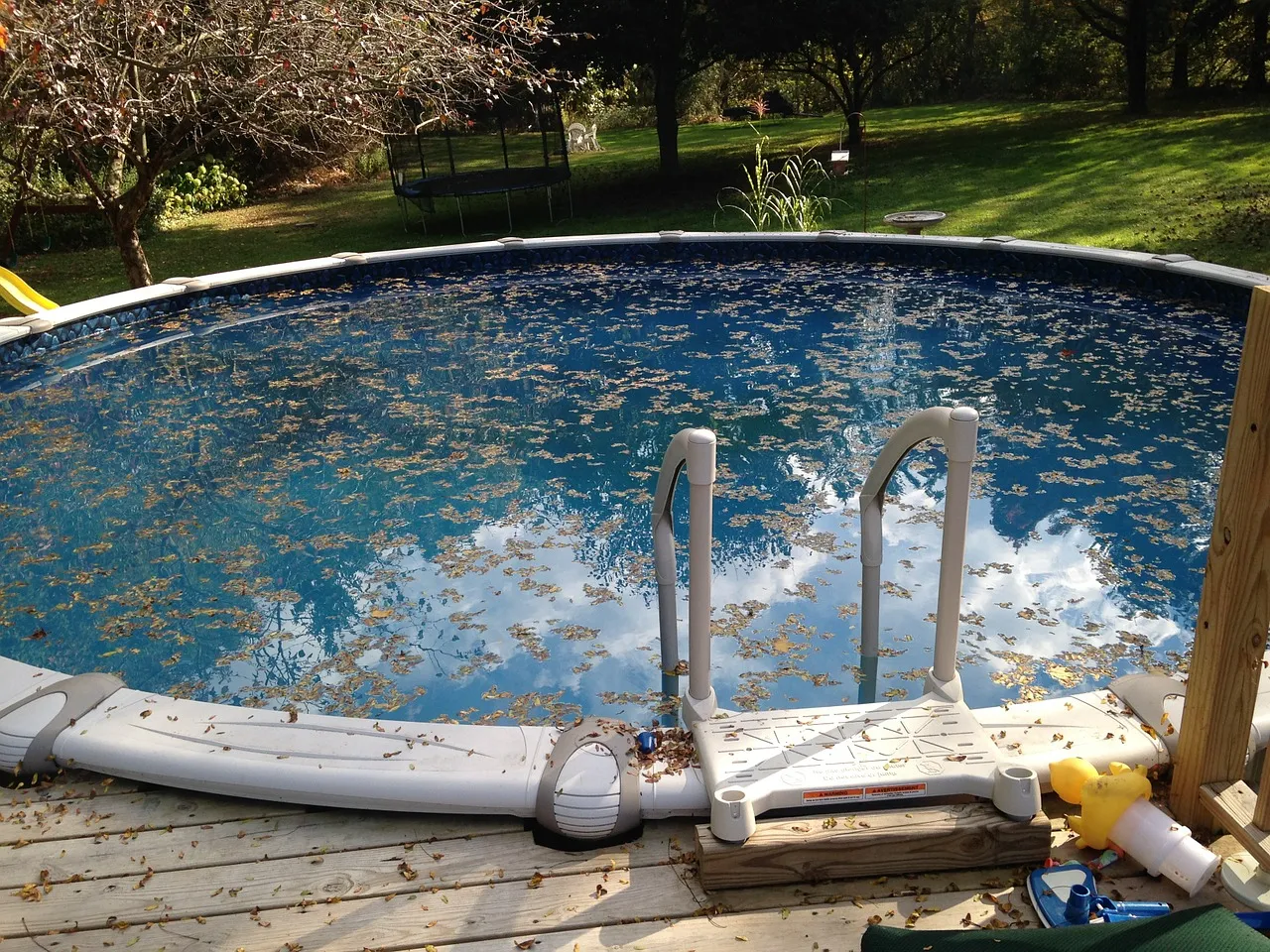
How to Manage Heavy Debris in Your Outdoor Pool
Living in this part of the world means embracing the outdoors and making the absolute most of your backyard. A private swimming area is fantastic for cooling down during a blistering afternoon, but it also acts like a giant magnet for everything blowing around the neighborhood. When a fierce afternoon storm rolls through or the seasonal winds begin to pick up, you often wake up to a water surface completely choked with gum leaves, bark, pollen, and broken twigs. Managing this heavy organic load is not just about keeping things looking visually appealing; it is absolutely critical for the health of your water and the longevity of your expensive equipment. Letting all that debris sink and rot creates a massive chemical nightmare that can take weeks to properly fix. By implementing a few smart strategies and utilizing the right technology, you can easily conquer the constant influx of organic matter and keep your property looking pristine.
Trimming Back Overhanging Branches
The smartest way to deal with heavy organic matter is to stop it from hitting the water in the very first place. Take a comprehensive look at the landscaping immediately surrounding your entertaining area. Those massive overhanging branches might provide beautiful shade during the midday heat, but they are also the primary source of your daily cleaning headaches. Spending a weekend pruning back the canopy and thinning out dense foliage makes an incredible difference to your maintenance schedule. You do not need to clear-cut your entire garden, but establishing a clear physical buffer zone between the tree line and the water edge drastically reduces the volume of dropping leaves. If you are putting in new plants, choose broad-leaf tropical varieties that do not shed continuously, rather than messy native plants that drop millions of tiny leaves and hard nuts every time a slight breeze comes through.
Upgrading Your Skimmer Box Defenses
Your skimmer box is the very first line of defense against floating mess, but a standard plastic basket is often completely overwhelmed during a heavy shedding event. When large leaves and long twigs get sucked into the box, they can quickly bridge across the opening and block the water flow entirely. This starves your main circulation pump, causing it to run dry and potentially burn out the motor, which leads to a massive repair bill. To prevent this disastrous scenario, you need to check and empty the basket every single day during the windy months. You can also stretch a disposable filter sock over the plastic basket. These inexpensive, highly effective socks catch all the fine dirt and pollen that would otherwise pass straight through to your main filter, while still allowing the larger leaves to be trapped safely inside the main compartment.
Automating the Deep Cleaning Process
Even if you are extremely diligent about skimming the top layer, a significant amount of heavy debris will inevitably become waterlogged and sink straight to the deep end. Once gum leaves and heavy twigs settle on the floor, they begin to decompose rapidly, releasing phosphates that act as a high-energy food source for microscopic algae. Manually wrestling with a long telescopic pole and a heavy suction head to clear this sunken mess is an exhausting, backbreaking chore that completely ruins your weekend. If you want to reclaim your free time, you need to hand this frustrating job over to a dedicated pool cleaner to manage the heavy lifting. Modern automated machines tirelessly navigate the underwater terrain, aggressively scrubbing the plaster and vacuuming up the settled organic matter completely independently. This keeps your chemical balance highly stable and removes the intense physical strain from your weekly routine.
Embracing Untethered Cleaning Technology
Dealing with a heavy debris load using older, traditional equipment is incredibly frustrating. Standard suction cleaners rely on long, bulky hoses plugged directly into your filtration system. When they encounter large gum nuts or thick twigs, they frequently choke and stall out, requiring you to manually pull the hose apart to clear the nasty blockage. Furthermore, these tethered hoses create dangerous tripping hazards right across your paving. To properly handle a substantial organic load without losing your mind, you should explore modern, independent solutions. Investing in a high-quality cordless pool vacuum fundamentally transforms how you handle the aftermath of a severe storm. These advanced, battery-operated devices roam the floor without any physical connection to your main plumbing lines. They feature large internal debris chambers specifically designed to swallow heavy leaves and thick twigs without clogging, leaving your outdoor area perfectly pristine while keeping the decking completely clear of annoying hoses.
Utilizing High Quality Leaf Covers
Sometimes, technology and regular pruning are simply not enough to combat the sheer volume of organic matter dropping from the surrounding environment. If your property is completely nestled in dense bushland, you will likely experience peak shedding seasons where the leaf drop is virtually continuous. In these extreme situations, installing a physical barrier is the most logical and effective approach. Rolling a specialized, lightweight leaf net across the entire surface completely seals the water off from the falling mess. Unlike a heavy winter blanket, a mesh leaf net allows rainwater to pass straight through while catching every single leaf, stick, and flying bug. Once the wind finally dies down, you simply drag the net off the water, taking all the accumulated debris with it in one single, effortless motion.
Protecting Your Filtration System
Managing heavy organic loads is not just about what happens inside the swimming area; you also have to protect the mechanical equipment sitting over on the equipment pad. When small twigs and tough leaves slip past the skimmer box, they travel straight through the underground pipes and end up in your primary pump basket. If this secondary basket becomes choked, the internal impeller mechanism can suffer severe, irreparable damage. Make it a strict habit to pop the lid off the pump housing every few weeks to clear out any trapped organic matter. You should also keep a close eye on the pressure gauge located on your main filter tank. Heavy debris leads to a rapid buildup of microscopic dirt, meaning you will need to clean your cartridge elements or backwash your sand media much more frequently during the windy seasons to keep the water circulating efficiently.
Conclusion
Dealing with a constant influx of leaves, bark, and twigs does not have to be an overwhelming battle that consumes all your precious free time. By taking a highly proactive approach to your surrounding landscaping, fortifying your skimmer baskets, and utilizing the right automated cleaning gadgets, you can easily keep the organic mess under control. It is all about working intelligently and setting up systems that handle the hard physical labour for you. When you prevent the debris from causing chemical imbalances and protect your filtration hardware from blockages, your backyard remains a beautiful, relaxing sanctuary that is always ready for a refreshing weekend swim.